“Singapore has to take the world as it is; it is too small to change it.”
Original English quotation. The Chinese interface is editorial and is not presented as Lee’s own wording.
SourceOne Man’s View of the World ↗Preface · PDF p. 13
Ask Lee Kuan Yew anything. Get the closest answer he actually gave—a verbatim quotation, not a modern imitation.
Type any question. The matcher searches the supplied books and official speech archive, then returns Lee’s closest verbatim words.
“Singapore has to take the world as it is; it is too small to change it.”
Original English quotation. The Chinese interface is editorial and is not presented as Lee’s own wording.
Books + official speeches · Verbatim short passages · Every result names its source and location
32,376 short, verbatim passages from three books and the official NAS speech archive. Questions, press summaries and third-party quotations are excluded.
Reading the books and official speech archive…
The hard test of policy is whether it can survive budgets, incentives, administrative capacity, public trust and implementation. If your job is to turn public goals into results, start with the situation closest to your work.
Built for policy teams, public officers, ministerial advisers, policy researchers and educators. Use it when designing policy, preparing options, diagnosing stalled delivery or reviewing results.
Useful before a policy submission, design review, inter-agency discussion, delivery meeting or case seminar.
Name the target population, intended outcome and the real trade-off you cannot avoid.
The archive finds a relevant verbatim passage. Use it as evidence or a challenge—not as the answer.
Work through seven prompts on reality, outcome, constraints, mechanism, execution, feedback and durability.
Copy a one-page brief that separates the source from your team’s judgment, ready for the next meeting.
Policy is not intent alone. It is outcome, mechanism, capability, incentives, execution and feedback.
The quotation belongs to the archive; the working analysis belongs to you. The copied brief keeps them clearly separate.
Lee’s record resists a neat ideology. Across speeches and memoirs, a recurring method emerges: define the constraint, recruit the capable, test by results, and revise before reality does it for you.
Build institutions people can trust; make incorruptibility an operating condition, not a slogan.
Use mass home ownership to turn residents into citizens with a material stake in the country’s future.
Teach English for access to the world, mother tongues for cultural ballast, and skills for the economy.
Pair personal responsibility with targeted subsidy so basic care remains affordable without pretending demand is finite.
Recruit capable people, test policy against results and treat implementation as part of policy—not an afterthought.
Keep race, language and religion from determining citizenship; preserve difference without political domination.
Trade with the world, welcome investment, create jobs and maintain the conditions that make long-term capital confident.
A small state earns room to choose by being cohesive, useful to others and able to defend itself.
Treat cleanliness, trees, water, transport and urban order as economic and public-health infrastructure.
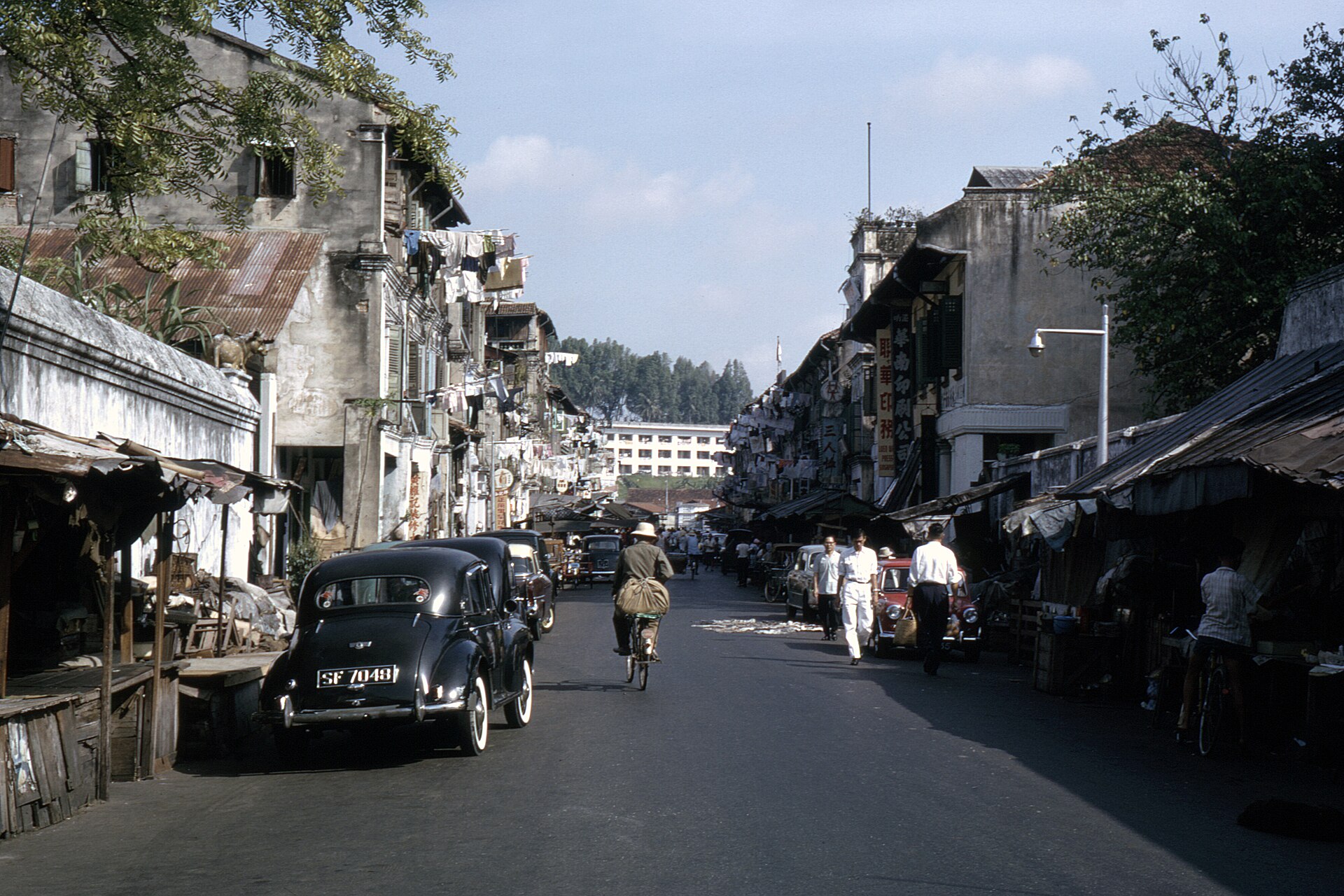
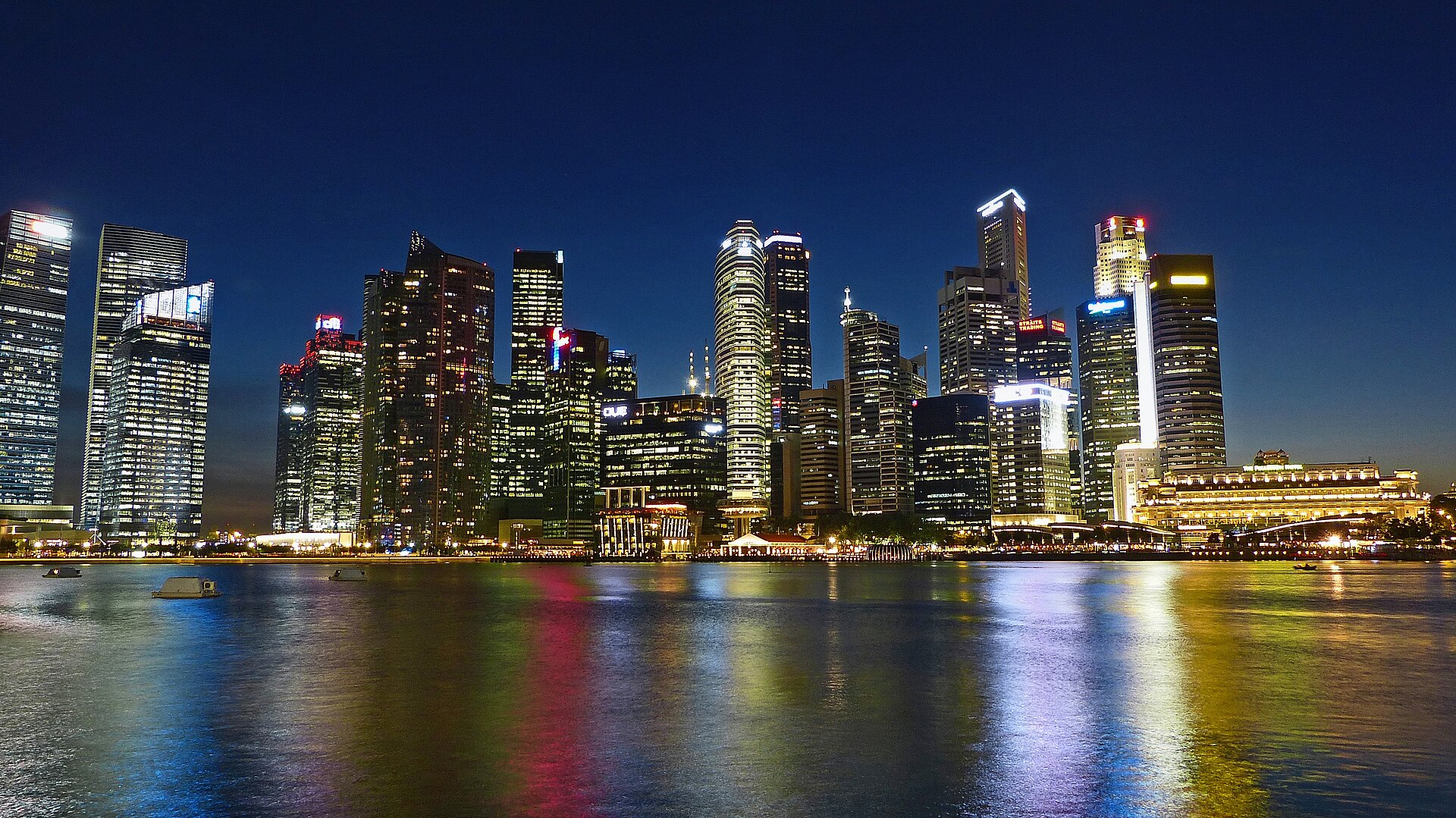
From entrepôt and crowded streets to an independent, globally connected city-state—within one political lifetime.
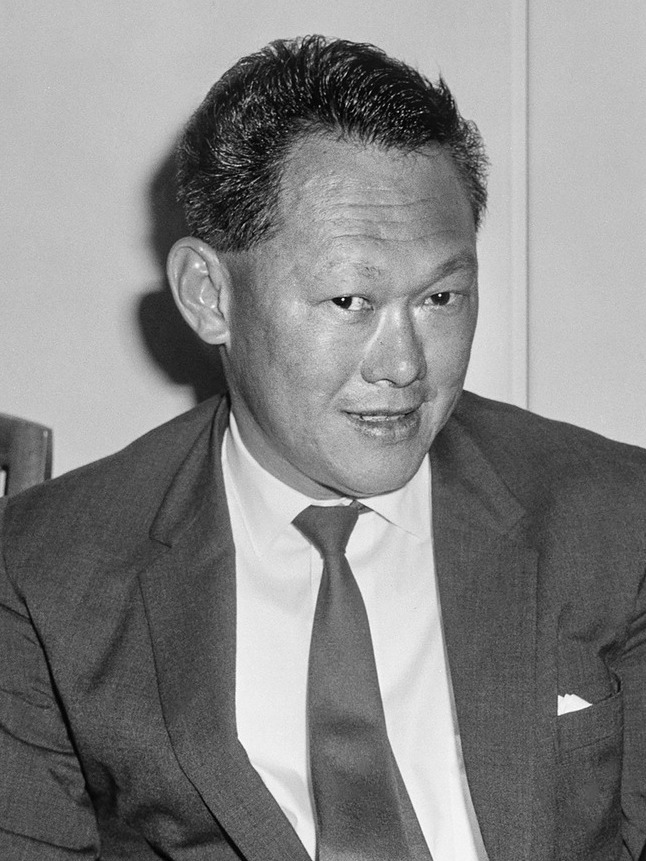
Lawyer, anti-colonial politician, Singapore’s first prime minister and later senior statesman. His admirers point to prosperity and state capacity; critics point to constrained opposition, press limits and a politics built around order. Both belong in the history.
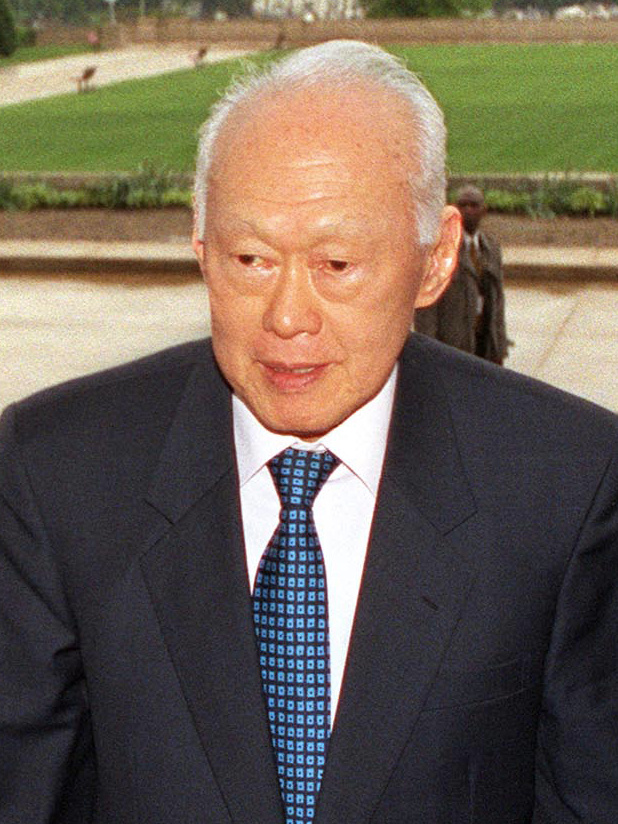
A fourth-generation Straits Chinese childhood shaped by English and Chinese worlds.
The fall of British power became his formative lesson in survival, force and self-rule.
Lee and colleagues formed the People’s Action Party amid labour politics and anti-colonial struggle.
At 35, Lee became prime minister after the PAP won 43 of 51 elected seats.
Singapore joined Malaysia and became an independent republic on 9 August 1965.
Housing, industrialisation, defence, education, water security and a professional state advanced together.
After stepping down as prime minister, he served as Senior Minister and Minister Mentor.
Lee died on 23 March, aged 91. The argument over his methods and legacy continues.
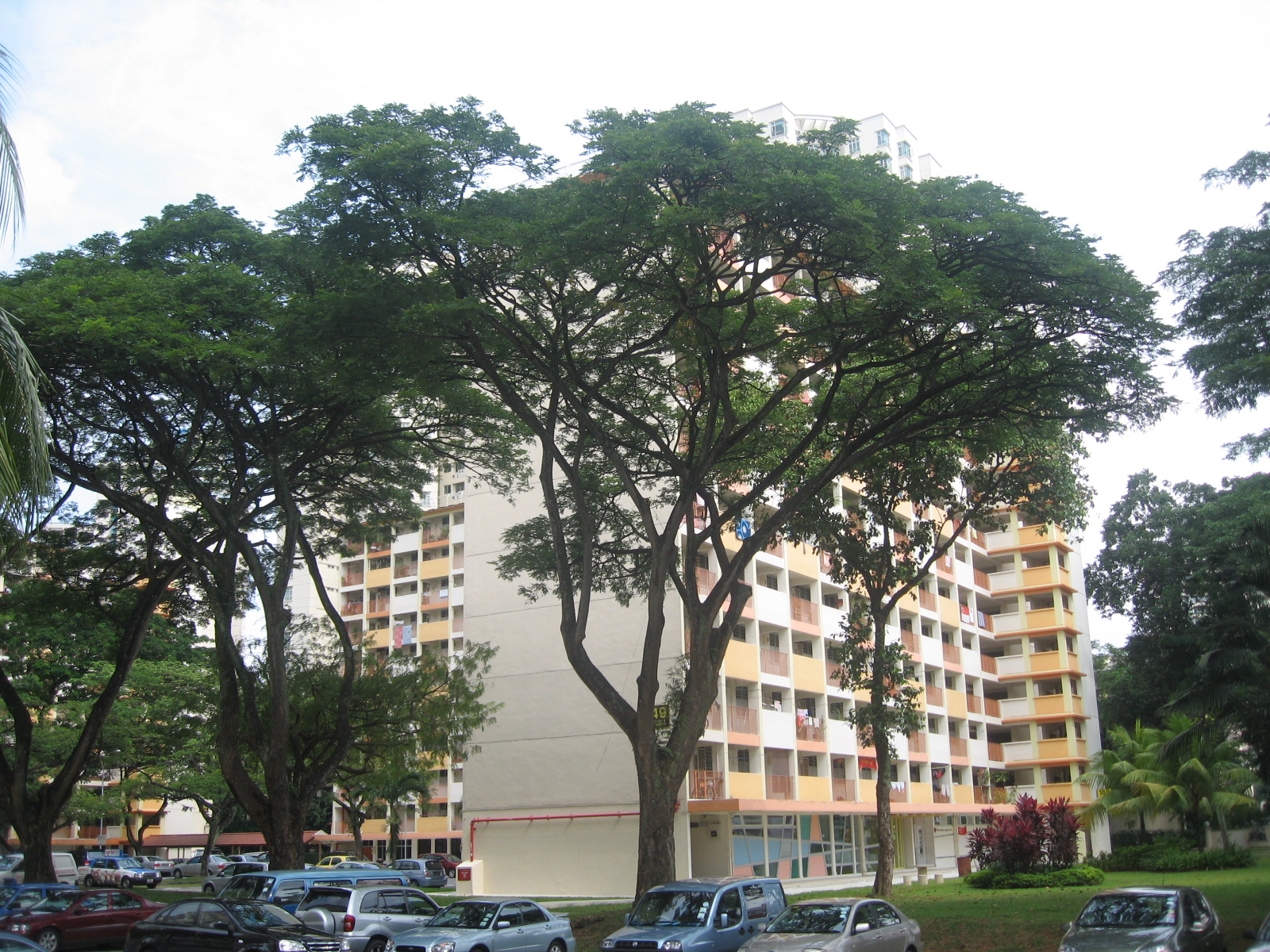
Public housing answered a health and shelter crisis, then became an instrument of savings, home ownership, neighbourhood planning and national belonging. Its success—and today’s debates about affordability, lease value and mobility—show how one policy can carry many social purposes.
Read the policy history ↗The matcher now joins three complete books with more than a thousand official NAS speech transcripts. The twenty-volume Papers and oral-history collections remain the next layer.
 01
011998 · Memoir · 1923–1965
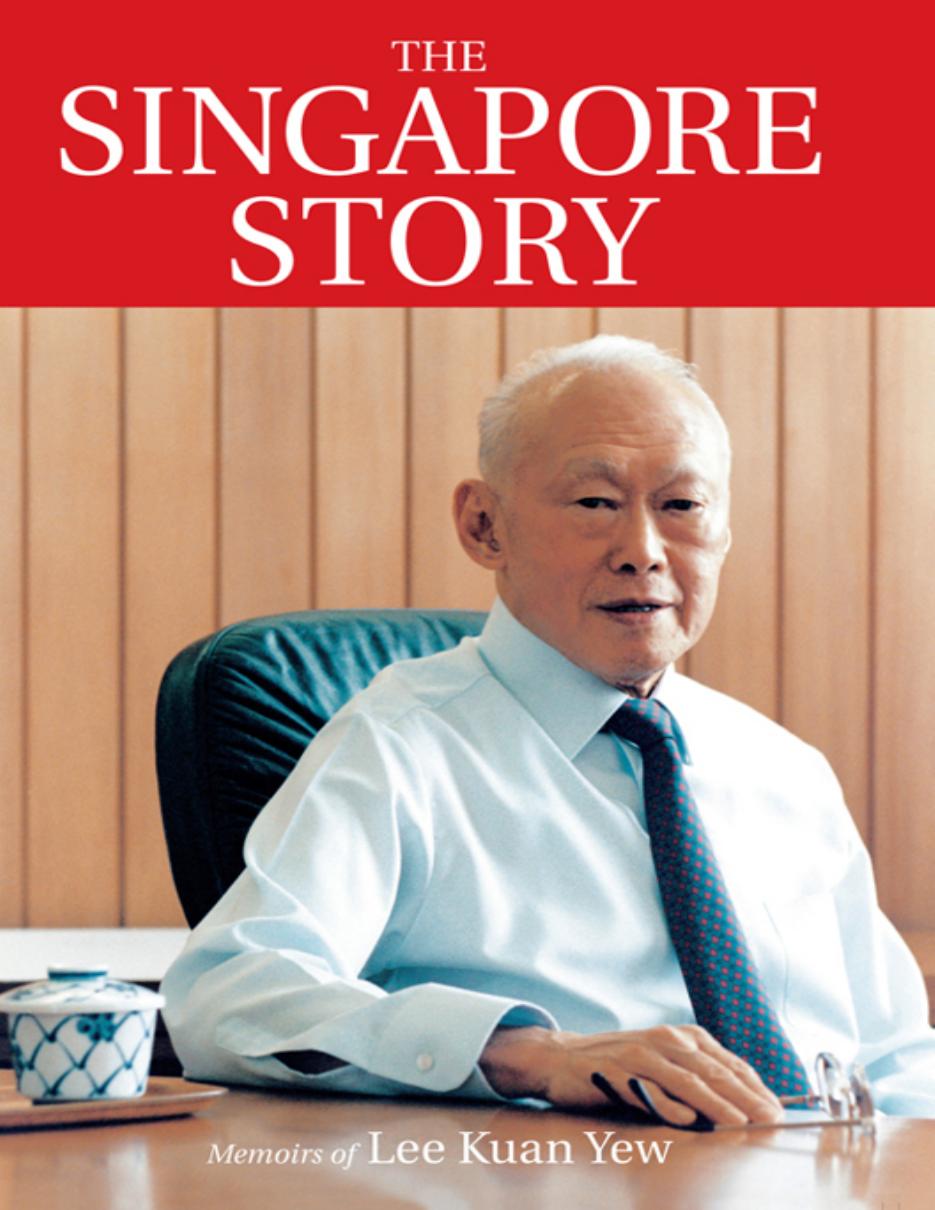
022000 · Memoir · 1965–2000
032011 · Extended interviews
042012 · Singapore’s bilingual journey
 05
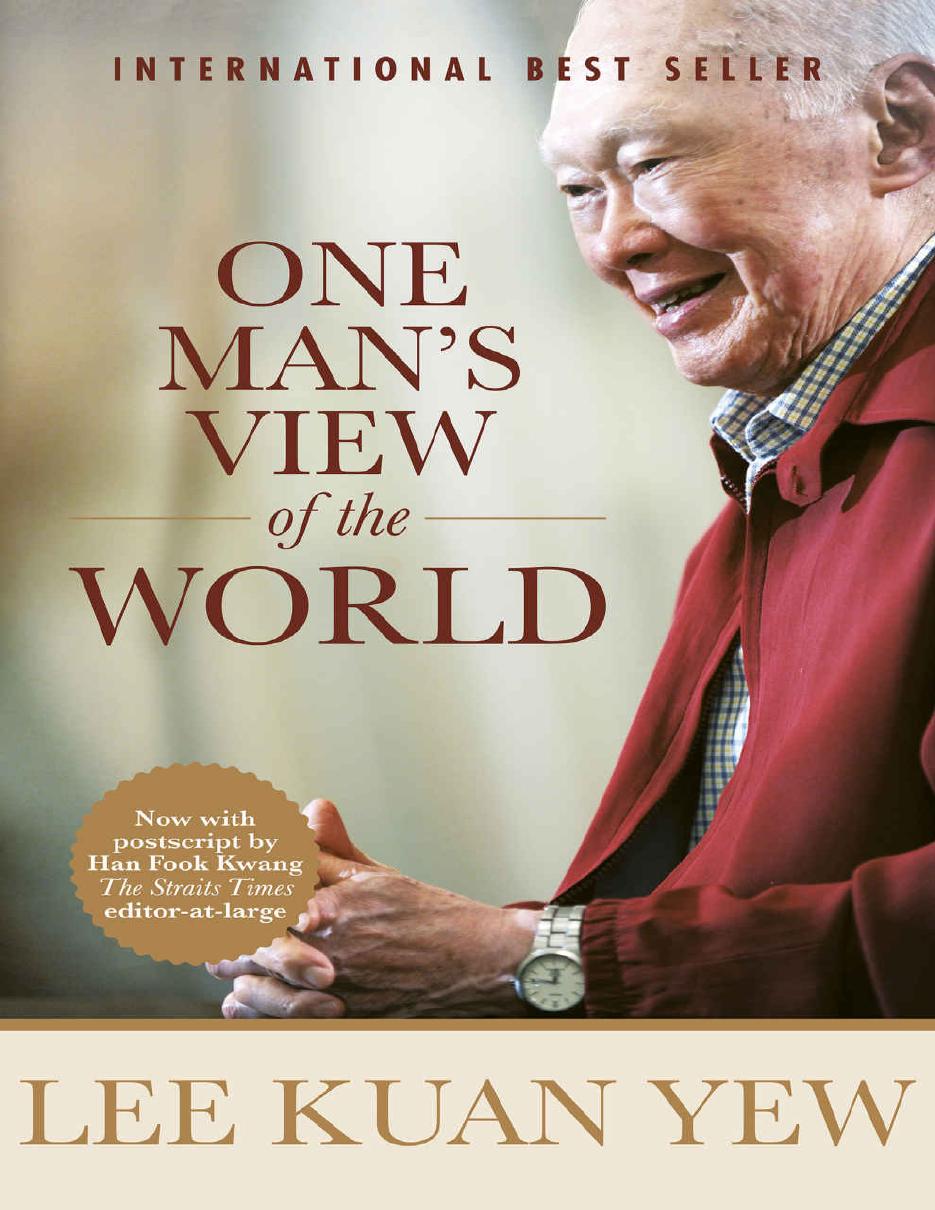
052013 · Geopolitics & Singapore
 06
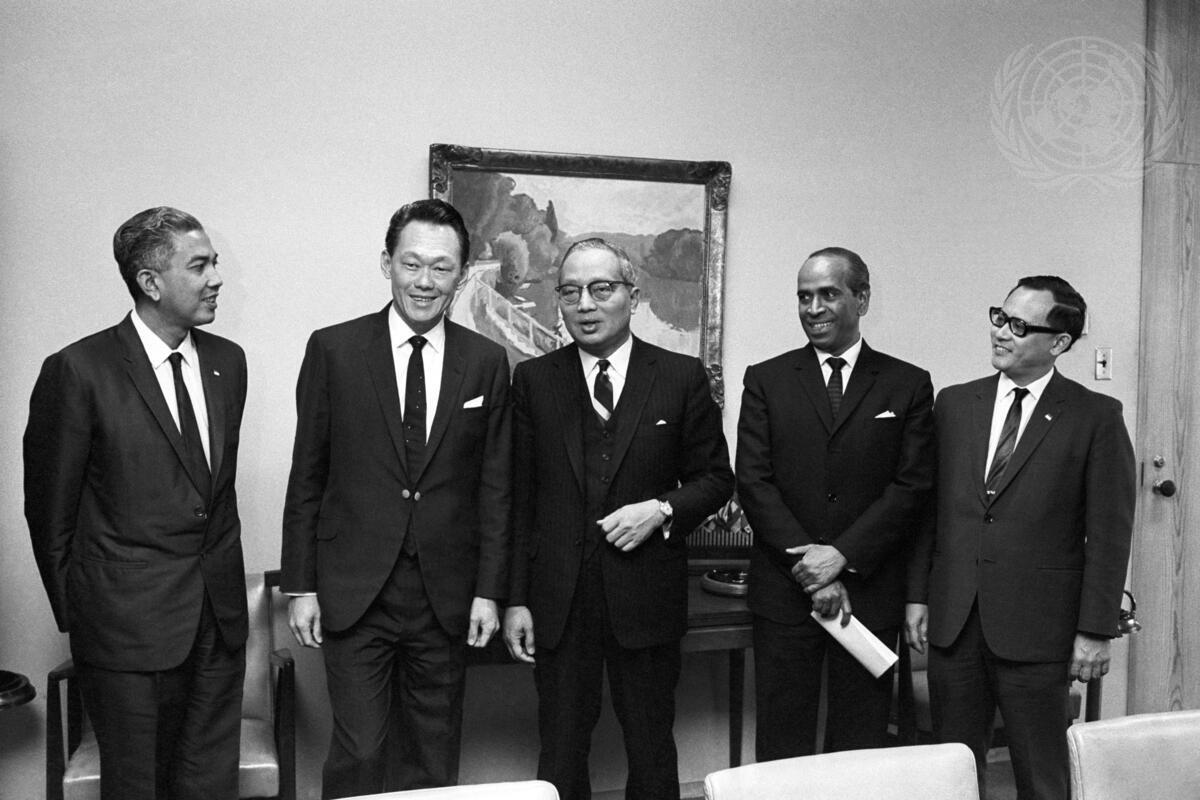
061961 / 2014 · Twelve radio talks
If Lee Kuan Yew could draw with AI, his recurring subject might be a tiny, vulnerable human settlement imposing order on geography, history and chaos.
Gallery works generated with AI · entirely speculativeInk landscape, architectural plans, port aerials and restrained constructivist geometry.
Individuals still matter, but appear inside schools, factories, barracks and neighbourhoods.
Monsoon grey, concrete white, reservoir blue, tropical green and warning red.
Rain, sea and roots keep reminding the city that order is never effortless.
Every achievement exposes its cost, its foundations and the possibility of reversal.
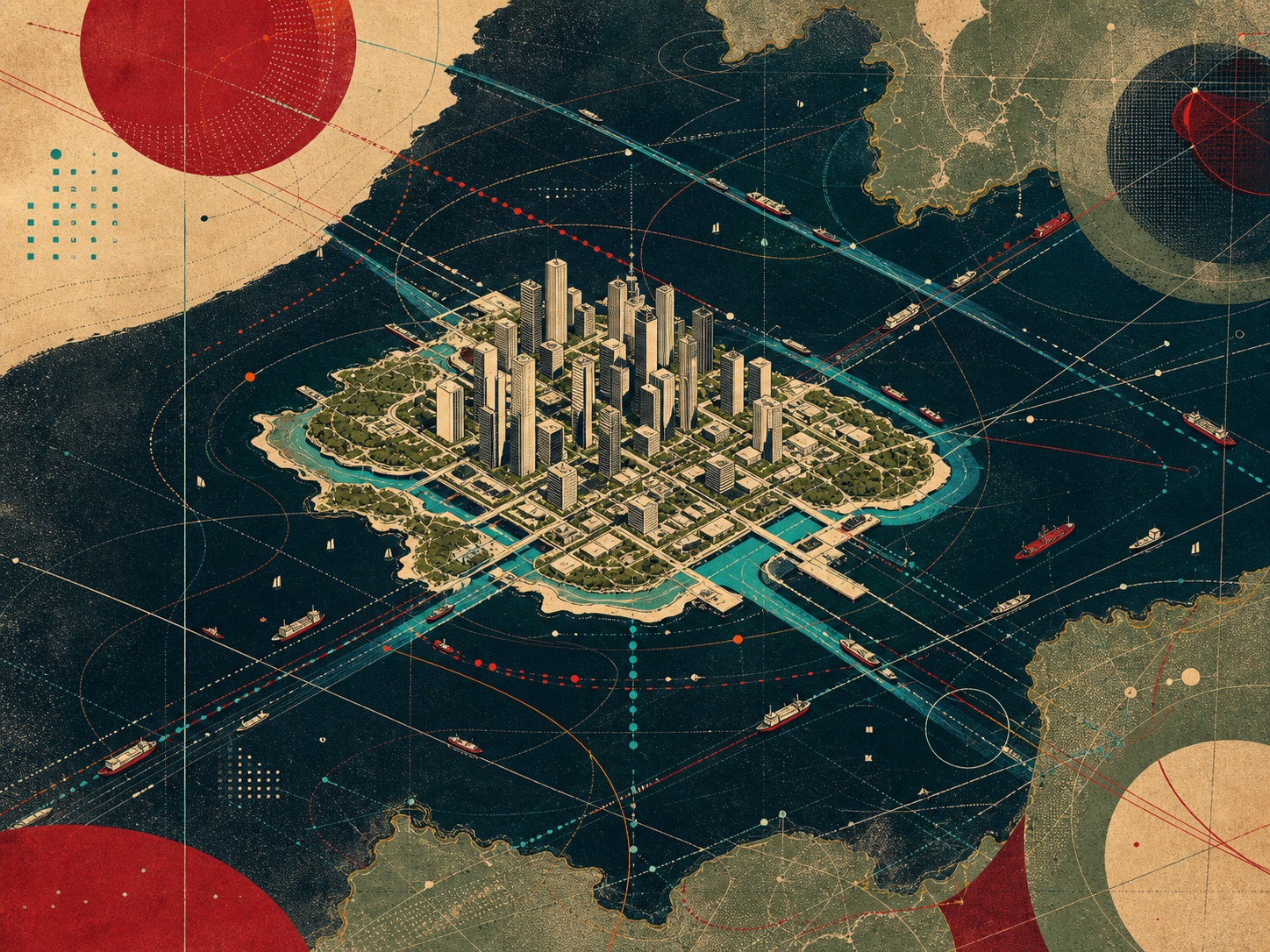
A bright geometric organism surrounded by a dark, indifferent ocean. Not triumph—permanent vigilance.
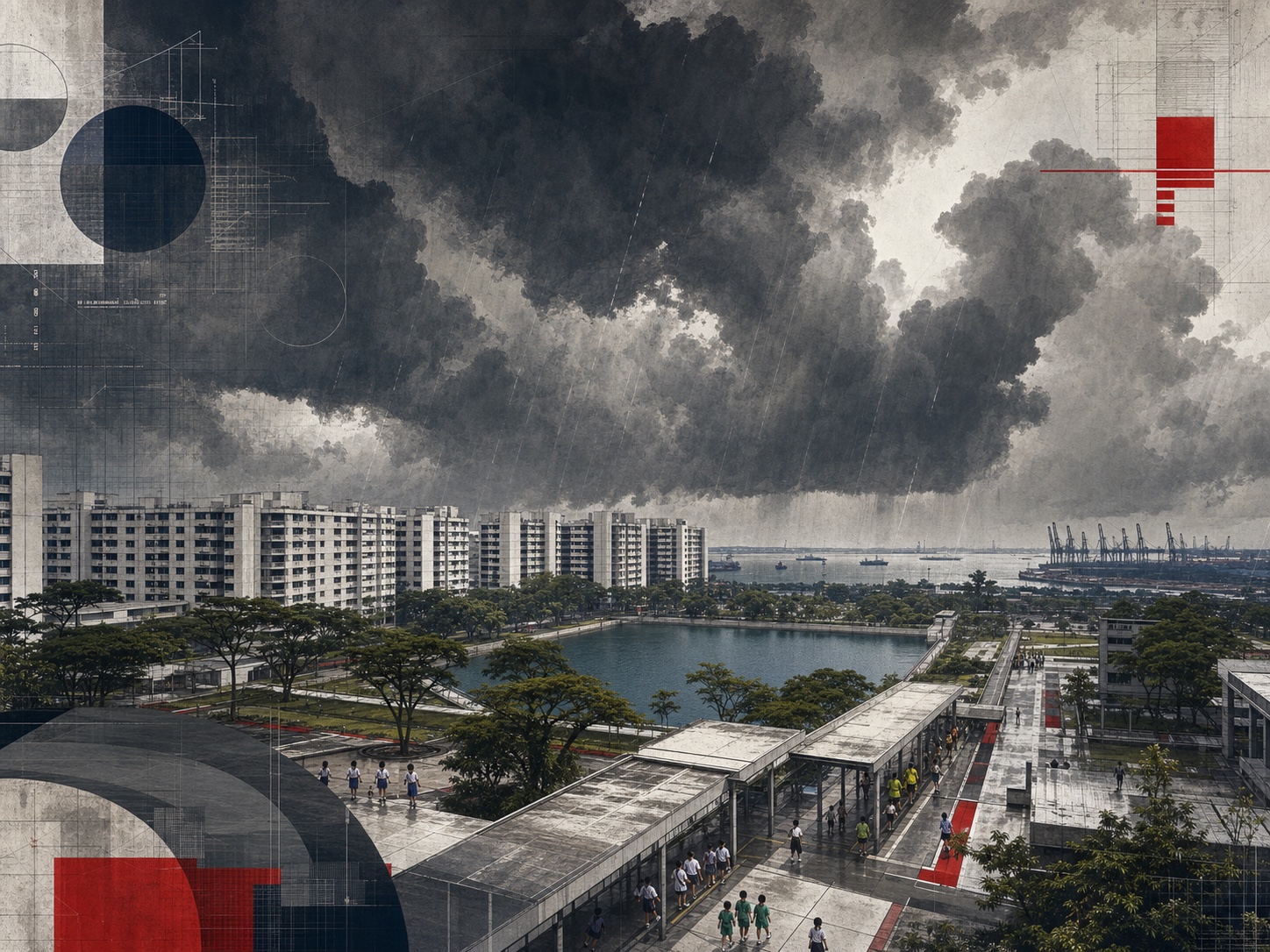
Prosperity is real, but never guaranteed. The neighbourhood waits beneath a gathering monsoon.

Languages, races and histories appear harmonious from afar. Up close, every supporting layer is under stress.
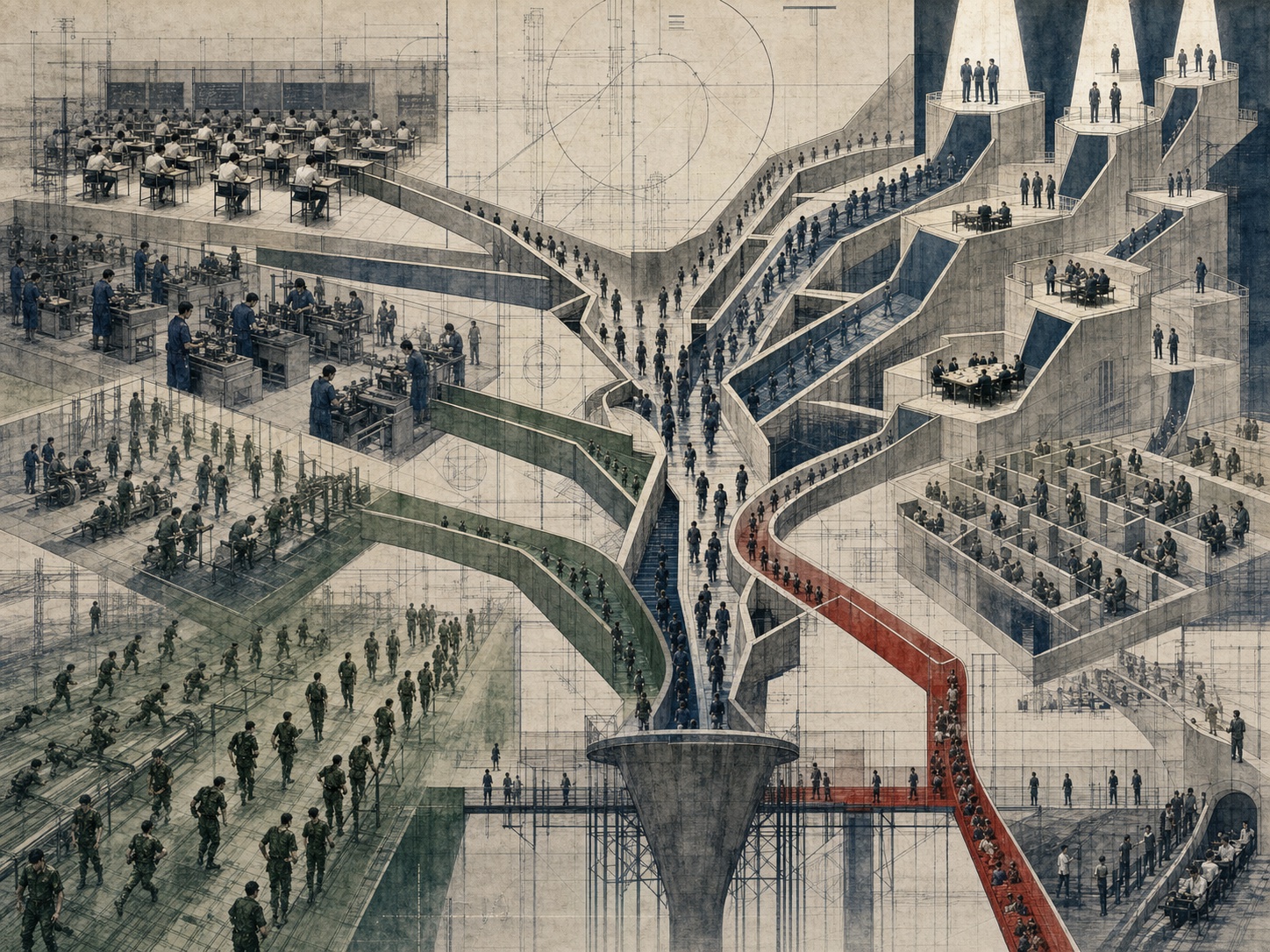
Meritocracy as both a nation-building instrument and a sorting machine: impressive, useful and morally uncomfortable.
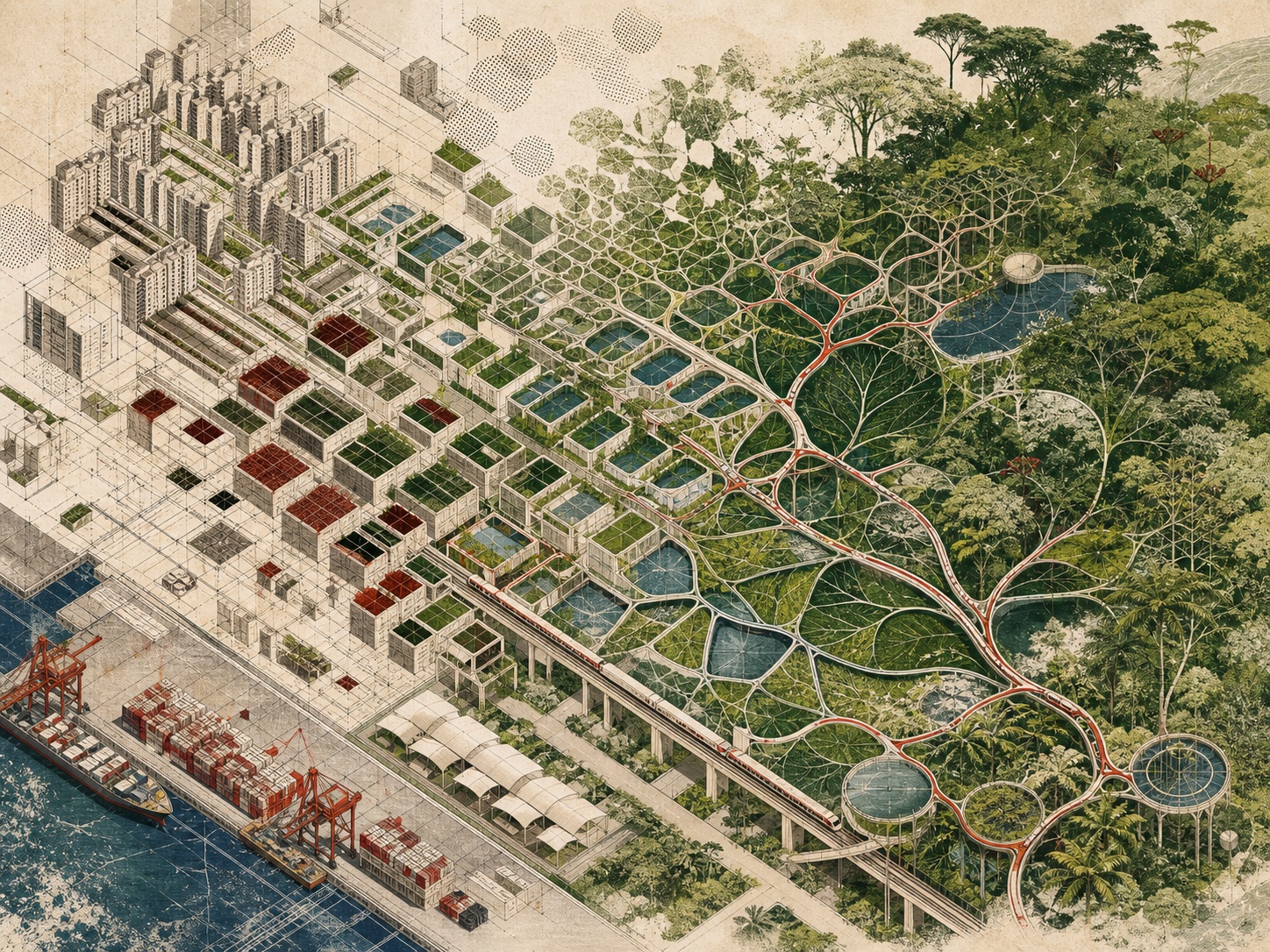
Trees do not conquer infrastructure. They form a disciplined, living symbiosis with it.
 06 / CENTREPIECE
At the bottom: mud, wooden houses, unemployment, social tension and departing colonial ships. In the middle: cranes, classrooms, factories, soldiers, reservoirs and housing rising through rain. At the top: a green city above the sea—but every foundation remains visible.
“This did not happen naturally. It was constructed—and can therefore be dismantled.”
Create an original speculative artwork about “A city whose success still exposes the foundations beneath it”. Civic system: Housing. Central tension: Order ↔ nature. Time horizon: 2025. Visual language: tropical constructivism combining Blueprint, Chinese ink atmosphere, architectural planning and tactile screenprint. Show people as part of a functioning or malfunctioning society rather than as heroic portraits. Nature must press back against engineered order. Restrained palette: monsoon grey, concrete white, reservoir blue, disciplined tropical green and sparse warning red. Embed this warning: “Prosperity can be dismantled by complacency”. Beautiful, severe and vigilant—not propaganda or generic AI prettiness. No portrait of Lee Kuan Yew, politician, flag, logo, readable text, signature, watermark, cyberpunk glow or flying cars.
A quotation becomes clearer with context: who was speaking, to whom, under what pressure, and with which alternatives excluded? LKY Speaks presents Lee’s words as primary evidence, not final authority.
Go from what Lee says here to the original speech, book, public-service record or policy history.
6,524 pages across 10 volumes of speeches, interviews and dialogues, 1950–1990.
↗02A further 10 volumes covering his years as Senior Minister and Minister Mentor.
↗031,327 first-party speech records processed; every excerpt links to its official archive entry.
↗04The first memoir volume: childhood, occupation, politics, merger and separation.
↗05The second memoir volume: survival, institution-building, economic transformation and diplomacy, 1965–2000.
↗06Late reflections on geopolitics, Singapore, climate, economics and personal life.
↗07The Head of Civil Service on the ethos of a clean, efficient and effective service.
↗08NLB’s overview of home ownership, multiracialism, bilingualism and nation-building.
↗09A research guide to policy reports, speeches and the evolution of bilingual education.
↗10Twelve radio talks broadcast between September and October 1961.
↗11NLB’s multilingual guide to books by and about Singapore’s first prime minister.
↗The project owner has confirmed permission for these short public excerpts. Every speech passage links to its official NAS record; further reuse may require separate permission from NAS or the copyright owner.
Read NAS conditions ↗